iecc 3rd-party energy code in austin, tx
ICC M1 Mechanical Code Inspector • ICC IECC Residential Energy Code Inspector

Green Austin Energy Audits provides independent third-party IECC energy code testing for builders, remodelers, and HVAC contractors in Austin and throughout the surrounding Central Texas area.

We perform testing for new homes, additions, remodels, accessory dwelling units, duplexes, and multifamily residential projects. Testing is available at both rough-in and final so problems can be identified before they delay inspections or become expensive to correct.

Most appointments can be scheduled within one or two business days, and completed compliance reports are typically delivered the same day.

Need testing for an upcoming project?
Call Green Austin Energy Audits at 512-563-3913 or submit a project information request to receive a callback.

Request a Callback

Since 2009
Serving Austin builders

1–2 Days
Typical scheduling

Same Day
Compliance reports

Rough-In & Final
Testing available

Residential Energy Code Testing Services

Depending on the project, jurisdiction, approved plans, and stage of construction, required third-party energy code and mechanical testing may include:

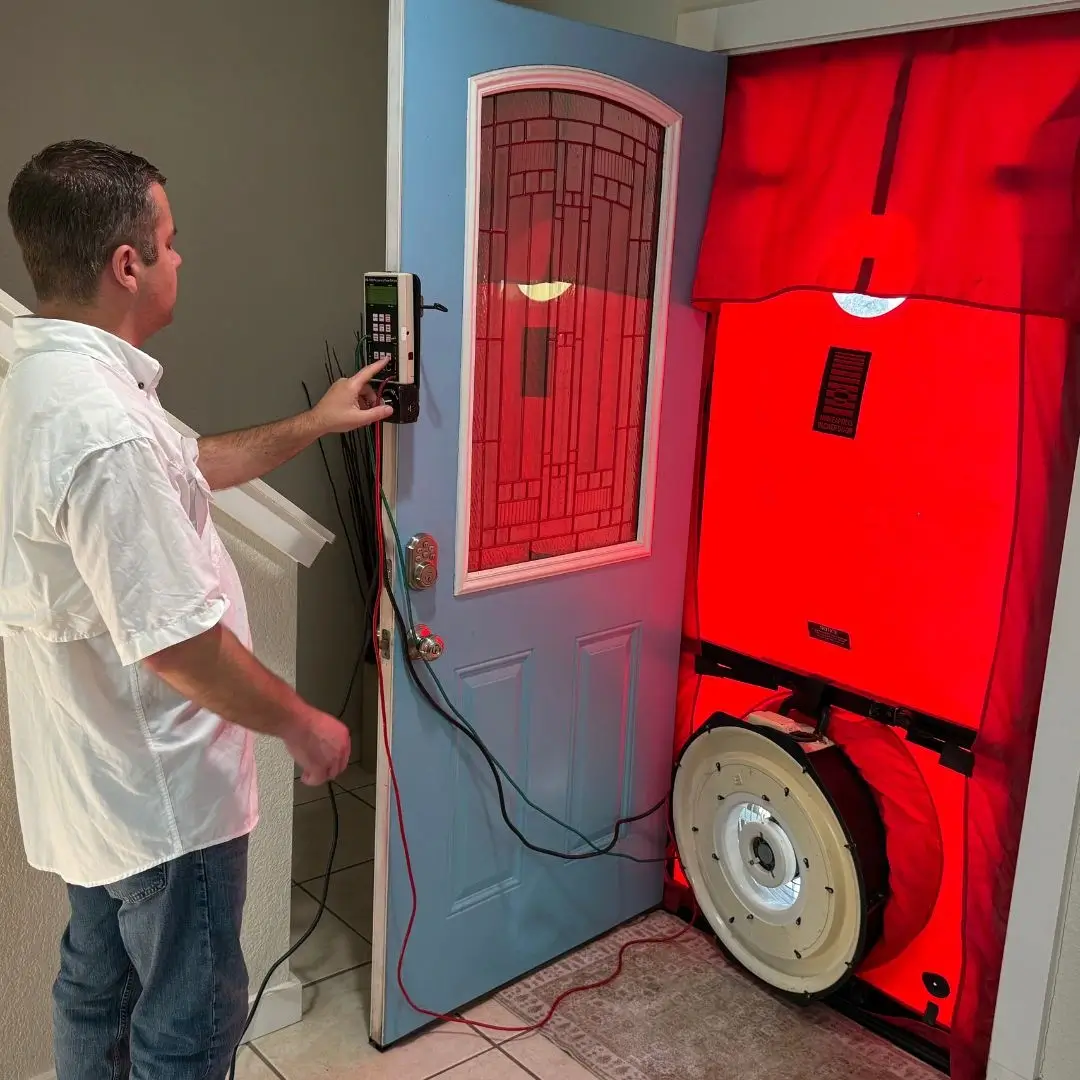
  • Blower door envelope leakage testing
  • HVAC duct leakage testing
  • Supply airflow verification
  • Total external static pressure testing
  • Room pressure differential testing
  • Building pressure relative to outside
  • Mechanical ventilation airflow verification
  • Insulation and air-barrier inspections
  • Rough-stage testing
  • Final energy code performance testing
  • Multifamily batch testing

After testing is completed, we send the compliance report to the builder or HVAC contractor for submission through the applicable permitting and inspection process.

Rough-In Testing Can Prevent Expensive Problems at Final

We strongly encourage contractors to schedule testing at rough-in whenever possible.

Testing while the duct system is still accessible gives the HVAC contractor an opportunity to complete additional sealing before drywall, insulation, and finishes make repairs more difficult. It also allows us to put experienced eyes on the duct installation before the project reaches final inspection.

During rough-stage testing and inspection, we look for conditions such as:

  • Ducts that are undersized for the required airflow
  • Poor duct routing
  • Pinched or compressed flex duct
  • Excessively sharp bends
  • Sagging or unsupported ductwork
  • Poorly sealed boots, plenums, and connections
  • Installation conditions that could create high static pressure
  • Duct design or installation issues that could reduce final airflow

A duct system can pass a leakage test and still perform poorly. If the ducts are undersized, restricted, or improperly routed, the system may not deliver the airflow required by the approved design.

Finding these problems at rough-in gives the contractor a realistic opportunity to correct them before final testing.

Final IECC Testing and Airflow Verification

Final testing verifies that the completed building and HVAC system meet the applicable energy code and approved mechanical design requirements.

This is more than a blower-door test and duct-leakage test.

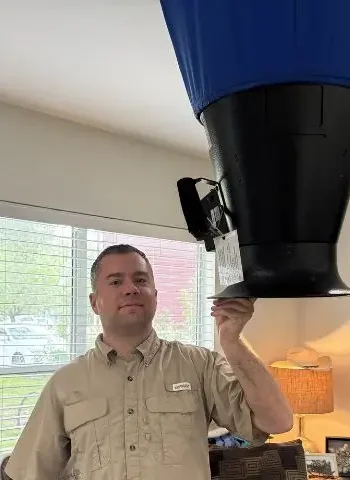
The Manual D design identifies how much airflow should be delivered through each supply register. During final testing, we measure actual airflow at the registers and compare it with the approved design.

±20%
Individual register airflow must be within ±20% of the design airflow

±10%
Total delivered system airflow must be within ±10% of the total design airflow

This verification matters because a system can be relatively airtight and still fail to deliver proper airflow. Incorrect duct sizes, restricted runs, poor routing, excessive static pressure, and installation changes made in the field can all cause the completed system to fall outside the design requirements.

Common Reasons Projects Fail Energy Code Testing

The issues we find most often are not unusual or mysterious. They are usually installation details that were missed, changed, or left incomplete during construction.

Common failures include:

  • Supply boots not sealed to the drywall
  • Individual register airflow outside the Manual D design range
  • Total system airflow outside the required design range
  • Leaking plenums and air-handler connections
  • Poorly sealed duct boots and takeoffs
  • Unsealed attic or building-envelope penetrations
  • Pinched, compressed, or poorly routed flex duct
  • Undersized duct runs
  • Excessive total external static pressure
  • Mechanical ventilation airflow below design
  • Bedroom pressure imbalances
  • Inadequate return-air pathways
  • Missing weatherstripping
  • Incomplete air-barrier details
Boots that are not sealed to the drywall and airflow that does not match the design are among the most common failures we see.

What Happens if a Project Fails?

A failed test should provide useful information, not just another obstacle in the permitting process.

When a project does not pass, we explain which result is outside the required range and help identify the likely cause. Depending on the issue, we may inspect accessible ductwork, review the approved mechanical design, identify likely leakage locations, discuss corrective options with the contractor, and return for retesting after repairs are completed.

Our goal is not simply to tell you that the project failed. It is to help you understand what needs attention so the appropriate trade contractor can correct it.

3rd party blower door testing in Austin, TX

Who We Help

Green Austin Energy Audits works primarily with builders, remodeling contractors, general contractors, and HVAC contractors completing residential projects in Austin and Central Texas.

Home Builders

We provide rough-in and final IECC testing for new single-family homes, duplexes, and multifamily residential projects. Testing can include duct leakage, envelope leakage, supply airflow, static pressure, room pressure, and mechanical ventilation verification.

Remodeling Contractors

We test additions, whole-home renovations, accessory dwelling units, and garage conversions. Rough-stage testing helps identify duct leakage, installation defects, and airflow problems while the affected systems are still accessible.

General Contractors

We help contractors determine the testing scope, coordinate testing with the construction schedule, and document compliance. When a project does not pass, we explain the results and help identify what needs to be corrected before retesting.

HVAC Contractors

We perform third-party duct leakage, supply airflow, static pressure, room pressure, and mechanical ventilation testing. At final, we measure airflow at each register and compare the installed system with the approved Manual D design.

We also work with homeowners acting as their own general contractor, architects, designers, and other project professionals who need residential energy code testing or compliance documentation. Testing requirements can vary depending on the jurisdiction, project scope, permit, approved plans, and construction stage. Contact us with the project address and available documentation so we can determine the testing scope.

Experience That Goes Beyond Running the Test

Third-party testing requires calibrated equipment and accurate measurements, but understanding the results requires experience with energy codes, mechanical systems, duct design, airflow, and residential construction.

Green Austin Energy Audits is led by Jason French, whose qualifications include:

  • ICC M1 Mechanical Code Inspector
  • ICC IECC Residential Energy Code Inspector
  • IECC/HERS Compliance Specialist
  • RESNET HERS Rater
  • BPI Building Analyst Professional
  • ACCA Residential HVAC Design
  • NCI Residential System Performance
  • NCI Residential Air Balancing
  • NCI Duct System Optimization
  • NCI Refrigerant-Side Performance
  • NCI Carbon Monoxide and Combustion Analysis

Jason has also worked as a residential energy code inspector and mechanical inspector.

This combination of code knowledge and field experience allows us to evaluate more than whether a number falls inside a limit. We understand how duct sizing, routing, leakage, static pressure, return-air design, equipment selection, and installation quality affect the final test results.

Scheduling and Reports

Most testing appointments can be scheduled within one or two business days. Completed reports are typically sent to the builder or HVAC contractor on the same day the testing is performed.

Appointments are coordinated directly rather than booked through an automated online calendar. This allows us to account for project location, construction stage, testing scope, access, and efficient routing.

Call us directly at 512-563-3913 or submit the website information request, and we will contact you to confirm the project scope and coordinate an appointment.

To request testing, please provide:

  • Your name
  • Email address
  • Project address
  • Manual J, Manual D, and Manual S documents, when available
  • Access instructions

IECC Testing in Austin and Central Texas

The City of Austin is our primary service area. We also provide residential third-party energy code testing in surrounding Austin Metro and Central Texas jurisdictions, including:

  • Travis County
  • West Lake Hills
  • Sunset Valley
  • Pflugerville
  • Round Rock
  • Cedar Park
  • Leander
  • Georgetown
  • Bee Cave
  • Buda
  • Kyle
  • Dripping Springs

Requirements and accepted documentation can differ by jurisdiction. Contact us before scheduling so we can confirm the project location, scope, and requested testing.

Frequently Asked Questions About IECC Energy Code Testing

Third-party IECC testing uses field measurements to verify that a residential project meets applicable energy code and approved mechanical design requirements. Depending on the project, this may include envelope leakage, duct leakage, airflow, static pressure, room pressure, and mechanical ventilation testing.

We recommend contacting us before the project reaches final. Rough-stage duct testing should be performed while the duct connections and installation remain accessible. Final testing is performed after the building envelope and HVAC system are complete and the home is ready for testing.

Rough testing allows the contractor to repair duct leakage while the ductwork is accessible. It also provides an opportunity to identify poor sizing, routing, restrictions, compressed flex duct, and other installation problems that may cause airflow failures at final.

Yes. Duct leakage and delivered airflow are different measurements. A system may be adequately sealed but still fail to deliver the airflow specified in the Manual D design because of undersized ducts, restrictions, poor routing, high static pressure, or field installation changes.

We explain which measurement is outside the required range and help identify the likely cause. We can communicate with the builder or HVAC contractor, provide practical correction guidance, and return for retesting after repairs are completed.

Most appointments can be scheduled within one or two business days. Availability depends on the project location, required tests, access, and current route.

Completed compliance reports are typically sent to the builder or HVAC contractor on the same day testing is performed.

Send the Manual J, Manual D, and Manual S documentation when available. We also need the project address, contact information, and access instructions.

Yes. We serve Austin as well as many surrounding communities in the Austin Metro and Central Texas area. Testing requirements vary by jurisdiction, so contact us with the project address before scheduling.

The City of Austin currently uses the 2024 International Energy Conservation Code (IECC) with local amendments for applicable projects submitted on or after July 10, 2025. Testing requirements can vary based on the project scope, approved plans and applicable code, so we recommend confirming the required testing before scheduling.

Schedule Third-Party IECC Testing

Do not wait until final inspection to discover a duct leakage, airflow, or installation problem that could have been corrected at rough-in.
Green Austin Energy Audits provides knowledgeable third-party testing for Austin-area builders, remodelers, and HVAC contractors who want accurate results, clear reports, and practical guidance when a project needs correction.
Call 512-563-3913 today or submit a project information request to receive a callback.